Understanding the ‘Igbomina Lókàn’ Debate: History, Equity, And The Future Of Representation In Kwara South (Part 1)
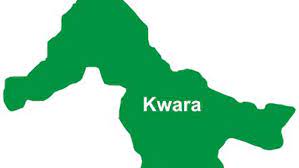
As the conversation on who should emerge as next representative of Kwara South in the senate gains momentum, a recurring phrase , ‘Igbomina Lókàn’ has begun to shape political discourse across communities, town halls, and stakeholder meetings.
For some, the phrase signals a long overdue calls for equitable political rotation. For others, it reflects a deeper concern about balance, fair play, and historical representation patterns within the senatorial district. But beyond the surface-level rhetoric, the discussion invites a broader, more measured question: What does equitable political representation truly mean in the context of Kwara South?
This first part of the article series sets the foundation for that conversation by unpacking the background, nuances, and emerging relevance of the ‘Igbomina Lókàn’ campaign.
Kwara South: A Diverse District, Shared Aspirations
Kwara South is not a single cultural block but a blend of three major sub-regional identities—the Igbomina, Ibolo, and Ekiti. Each has its distinct historical roots, development needs, and traditional institutions. Yet, they are united by the shared aspiration for progress, stability, and meaningful representation in Abuja.
For decades, these blocs have lived, worked, and campaigned side by side. But like in many multi-ethnic democracies, questions of rotational justice naturally arise when certain communities feel they have carried less weight in federal representation.
This is the backdrop against which the ‘Igbomina Lókàn’ agitation has emerged—not as an ethnic confrontation, but as a framework for re-examining the ideals of fairness in political leadership distribution.
Why the Debate Now?
Although zoning is not constitutionally mandated, it is widely practiced across Nigeria as a tool for reducing tension, ensuring inclusivity, and creating a sense of belonging among diverse groups.
In Kwara South today, three major developments have brought the conversation to the fore:
1. Historical Patterns
There is growing interest- especially among political observers and community leaders—in reviewing how senatorial representation has rotated since 1999.
2. Democratic Consciousness
Voters are more politically aware. Conversations about marginalization, fairness, and representation have become mainstream.
3. The 2027 Political Context
As parties reassess their zoning arrangements, the question arises: Which bloc has the strongest claim, and what does the data say in respect of the issue?
The Igbomina bloc positions its case within these realities, urging that the 2027 cycle should reflect equity, balance, and recognition of their historical contributions.
More Than Identity Politics: A Search for Fairness
The strongest advocates of the ‘Igbomina Lókàn’ campaign insist that the rallying cry is not a claim of entitlement but a call for fair representation grounded in historical facts.
They argue that:
1: Kwara South’s political equilibrium is healthiest when leadership opportunities are evenly shared;
2: No single bloc should dominate senatorial representation indefinitely;
3: Igbomina land—despite its population, economic activity, and governance contributions—has been underrepresented at the Senate level in recent cycles.
These arguments are not emotional; they are structural. They raise important questions that any thoughtful democracy must confront:
How do we balance the aspirations of different communities?
What is the fairest method of zoning political power in a diverse district?
How do we ensure that representation does not become lopsided or exclusionary?
Such conversations do not weaken democracy – they enrich it.
The Importance of Facts Over Sentiments
In an era where political discussions are often driven by emotions or partisan loyalties, the Igbomina conversation invites a more data-driven and historically grounded approach. This aligns with the maturing political culture in Kwara, where citizens increasingly demand logical, transparent, and inclusive decision-making.
The real test of the debate will be in how well stakeholders—political parties, traditional institutions, youth groups, community associations, and opinion leaders—commit to:
Honest analysis of past representation patterns, fair interpretation of zoning principles, and a shared commitment to unity across Kwara South.
The ‘Igbomina Lókàn’ question is therefore best understood not as agitation, but as an evaluation tool—a mirror held up to the past and the present to determine what equitable representation should look like going forward.
A Turning Point: The Question We Cannot Ignore
As Kwara South moves closer to another defining political moment, one reality is unavoidable: equity cannot be assumed; it must be examined.
The ‘Igbomina Lókàn’ agitation has opened a door that can no longer be closed—not because it is loud, but because it forces us to confront a simple democratic truth:
Fairness is only meaningful when it is measurable.
The next phase of this conversation must therefore shift from emotion to evidence.
From assumptions to actual history.
From political claims to verifiable patterns.
And this is where the real test lies.
Have all the blocs in Kwara South truly carried equal weight in senatorial representation since 1999?
Who has had their turn?
Who has not?
What does the factual timeline of past senators reveal about balance—or imbalance?
These are not questions for speculation; they are questions that demand data