Kwara South Senate Seat: A 28-Year Journey and Why Igbomina Deserves Its Turn (Part 2)
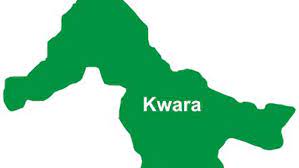
Since the return to democracy in 1999, the Kwara South Senatorial District has experienced a political journey that reflects both continuity and imbalance. To understand why the demand for an Igbomina person as the next occupant of the senate seat is gaining traction, it is essential to examine the district’s senatorial history in context.
Kwara South comprises seven local governments that are divided into three main blocs: Igbomina which has three local governments; Ifelodun, Irepodun and Isin; Ibolo that has Offa and Oyun local governments; and Ekiti that consists of Ekiti and Oke-Ero LGAs. These blocs have each contributed to the political life of the district, but the balance of representation has often been skewed.
The journey began in 1999 when Senator Suleiman M. Ajadi from Ifelodun LGA in the Igbomina bloc took office as the first senator of the Fourth Republic. Ajadi served a full term until 2003, marking the only time Igbomina held the Senate seat in the early years of the Fourth Republic. Briefly in 2003, Ajadi began as a member of the Fifth Senate, but a court ruling subsequently declared Senator Simon Sule Ajibola from Ekiti LGA as the real winner of the 2003 election.
Senator Ajibola’s tenure ushered in a prolonged period of Ekiti representation. From 2003 to 2015, Ekiti held the Senate seat for three consecutive terms, covering the Fifth, Sixth, and Seventh Senates. This 12-year stretch remains the longest uninterrupted representation by any bloc in Kwara South since 1999.
In 2015, the parliament seat shifted to the Ibolo bloc, with Senator Rafiu Adebayo Ibrahim of Oyun LGA serving a single term in the 8th Senate. This marked Ibolo’s first entry into the senatorial office since the beginning of the Fourth Republic. Senator Lola Ashiru of Offa LGA continued Ibolo’s representation by becoming a member of the Ninth Senate in 2019 and he was re-elected for the Tenth Senate, which will run until 2027. By then, Ibolo would have held the Senate seat for 12 consecutive years, matching Ekiti’s earlier dominance.
This corrected timeline highlights a striking fact: Igbomina, despite being the largest bloc with 3 out of seven local governments, has only had four years of representation in 28 years. In contrast, Ekiti, with 2 LGAs held the seat for 12 years, and Ibolo also with two LGAs, is on track to also complete 12 years in 2027. Put differently, by the end of the current Senate term, Igbomina will have had the Senate seat for only 14% of the Fourth Republic, despite holding the majority of LGAs in the district.
Such a disparity explains why the ‘Igbomina Lókàn’ campaign is emerging as a conversation not just of sentiment, but of fairness and equity. It is a response to a longstanding structural imbalance in representation. The numbers reveal that while Ekiti and Ibolo have enjoyed extended periods in office, Igbomina has consistently remained underrepresented despite its population strength and local contributions.
Ahead of the 2027 General Election, these facts raise unavoidable questions: Should the largest bloc in Kwara South continue to be underrepresented? Is it equitable for Ibolo to continue when it will have matched Ekiti’s 12-year dominance? ‘Would a fair rotation system not provide the stability, cohesion, and justice that the district requires?’.
These questions set the stage for the final part of this series, where the argument for Igbomina producing the next senator will be fully laid out, connecting the historical record with equity, regional cohesion, and the district’s long-term development