Why We Banned Men With Plaited Hair, Tattoos and Earrings From Congregational Prayers-Chief Imam Of Ijebuland
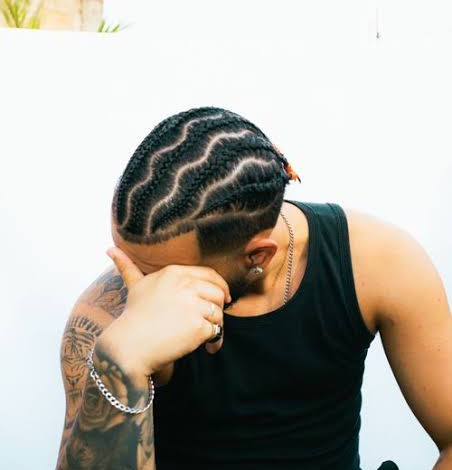
The Chief Imam of Ijebuland, Shaykh Muftaudeen Ayanbadejo, has clarified and submitted that men who plait their hair like women, wear earrings, or have tattoos on their bodies were banned from mosques in Ijebuland not to punish them, but to preserve the sanctity and dignity of places of worship.
Team@orientactualmags.com learned that Shaykh Miftaudeen Ayanbadejo, who is also the President of the League of Imams and Alfas of Ijebuland, made the clarification in a statement issued by his media office on Saturday.
The statement was signed by Head of Corporate Media and Public Communications, Office of the Grand Chief Imam of Ijebuland and President of the League of Imams and Alfas of Ijebuland, Dr Oyekolade Oyesanya.
He noted that the ban on men with plaited hair and earrings from observing congregational prayers is to ensure that worshippers accord mosques the sanctity and dignity they deserve.
The ban in question which was issued on Friday, October 9, 2026, during Jumu’ah prayer at the Ijebu Ode Central Mosque, Oyingbo is to according to him promote modest dressing, cleanliness and proper conduct among worshippers.
He noted that the announcement was made by the Ẹkẹta Adiini of Ijebuland, Shaykh Abdul Wahab Oleolo on behalf of the Chief Imam-in-Council.
‘The Mosque occupies a position of profound spiritual significance in Islam. It is a place of worship, humility, reflection, moral refinement and communal fellowship.
Consequently, every worshipper is enjoined to approach it with due reverence, observing the appropriate standards of cleanliness, decent dressing, modesty and good conduct.
The Qur’an enjoins the children of Adam to adorn themselves appropriately at every place of worship (Qur’an 7:31), while the Prophet Muḥammad (peace and blessings be upon him) taught that cleanliness is an essential aspect of faith.
In this regard, concerns were raised about certain practices, including inappropriate or immodest dressing, the wearing of earrings by men, particular hairstyles such as dreadlocks, the display of tattoos, and the use of mobile telephones during Jumu‘ah prayers and sermons.
These matters were mentioned to encourage reflection, restraint and compliance with the standards of Islamic propriety and the established expectations of the Mosque.
In particular, the use of mobile telephones during the Friday sermon and prayers can distract worshippers, undermine concentration and detract from the solemnity of the occasion.
It is, however, important to emphasize that the objective is guidance, not humiliation; admonition, not alienation; and the promotion of religious consciousness, not the exclusion of individuals from the Muslim community.
The Mosque must remain a welcoming place where Muslims can worship, learn, seek guidance and work towards spiritual and moral improvement’ he said.
The statement urged Muslims in Ijebuland to welcome and understand the rules and regulations in its proper and true spirit.
‘For the avoidance of doubt, the announcement was not intended to bar anyone from entering the Ijebu Ode Central Mosque, Oyingbo, or to discourage any Muslim from attending congregational prayers.
Rather, it is a reminder that the privilege of worshipping in the House of Allah carries responsibilities which every worshipper should endeavour to fulfil.
The doors of the Mosque remain open to Muslims seeking the pleasure of Allah. The ultimate aspiration is to nurture a congregation distinguished by faith, humility, discipline, mutual respect and commitment to the teachings of Islam.
The Mosque should remain a centre of spiritual nourishment, sound religious instruction and moral transformation for all who approach it sincerely’ the statement added-Team@orientactualmags.com Do you have any information you wish to share with us? Do you want us to cover your event or programme? Kindly send SMS to 08035023079, 08059100286, 09094171980 or get in touch via orientactualmag@gmail.com. Thank you